
Renewable energy, demand-side management and…electric storage heaters
Automated technologies needed to balance electricity supply and demand
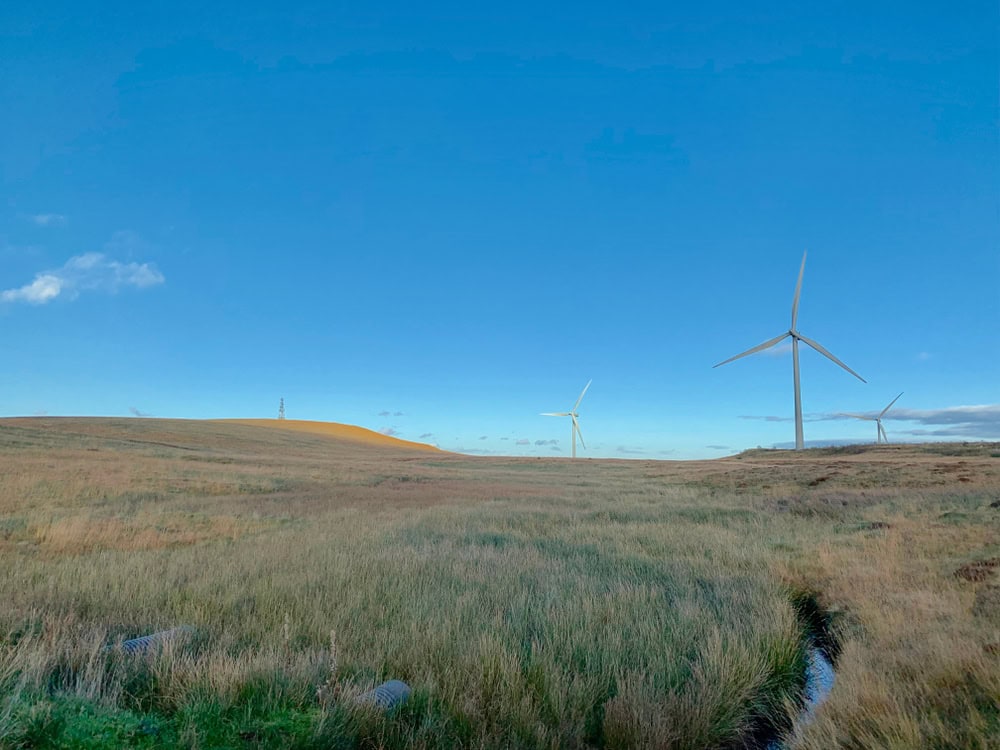
According to data published by the Department for Energy Security and Net Zero, renewable sources accounted for 44.5% of the electricity generated in Quarter 3 2023. The growth in reliance on renewable energy systems means that new automated technologies will be required to balance supply and demand. It is important that the benefits generated by such technologies are equally shared across society and not just enjoyed by largely affluent early adopters. Commentators have postulated that one way of achieving an equitable distribution of technology benefits would be through a Social Licence to Automate (SLA). But what is an SLA, how does one ‘obtain’ such a licence, and how would the benefits manifest themselves?
What is a Social Licence to Automate?
The idea of an SLA is based on the concept of a Social Licence to Operate (SLO)*. It appears that the term SLO was first coined in the 1990s to reflect the approval of a community for projects that affect the environment, most notably mining and forestry.

Organisations cannot ‘award’ themselves an SLO, they win them by proving, over time, that they can be trusted. It is important to reiterate this key point. An SLO is not a physical, tangible asset represented by, for example, an ISO certification. It is an intangible, implicit agreement between the public and those private or public bodies that wish to pursue a particular activity. As an SLO is primarily based on trust, it is not a static entity and has to be maintained over time. It cannot be taken for granted. It could be argued that an SLO represents at a societal level what would, in the past, have been referred to as goodwill.
The importance of demand-side management
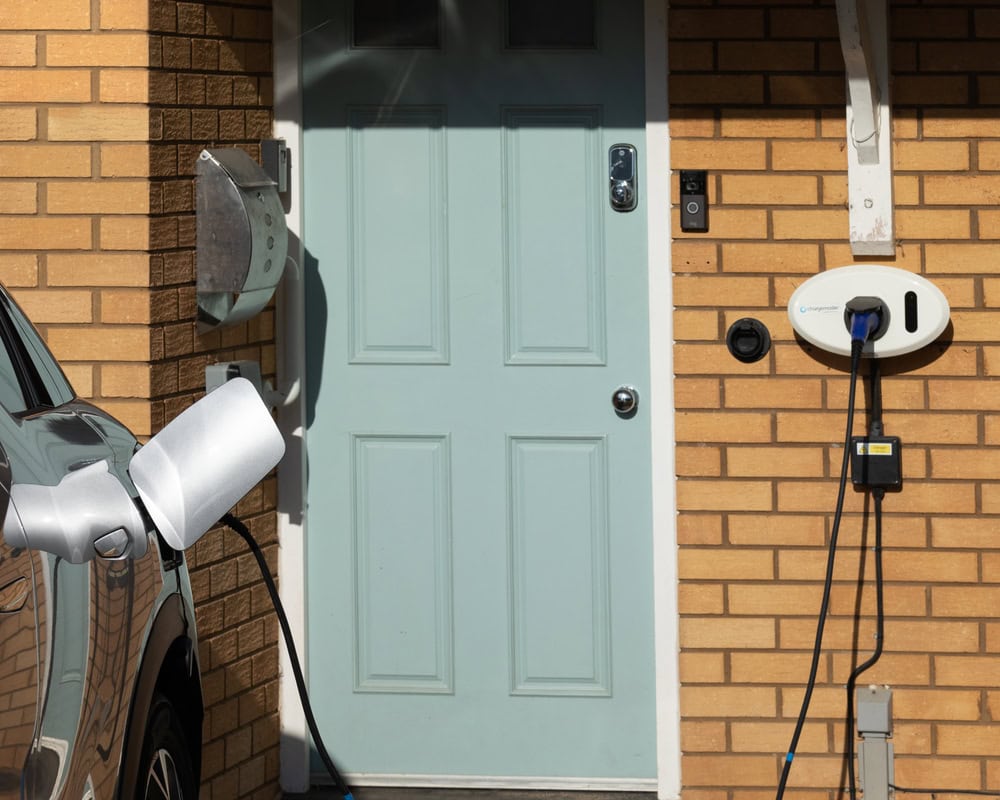
In the case of the energy sector, the SLO concept has been ‘rebranded’ as the Social License to Automate (SLA). In simple terms, the energy sector would benefit enormously from being able to implement a range of demand-side management (DSM) measures. Such measures could include, for example, controlling your battery, your plugged-in electric vehicle (EV) or charging your electric storage heating and hot water. The need for more effective DSM approaches is reflected in the fact that, according to a report by the Carbon Tracker think tank, from January 2021 to April 2023, £1.5bn was spent ‘curtailing’ (switching off) more than 6.5TWh of wind power; 4% of GB wind generation. In terms that can be understood by the layman, this equates to enough electricity to power one million homes each year!
Using existing infrastructure more effectively
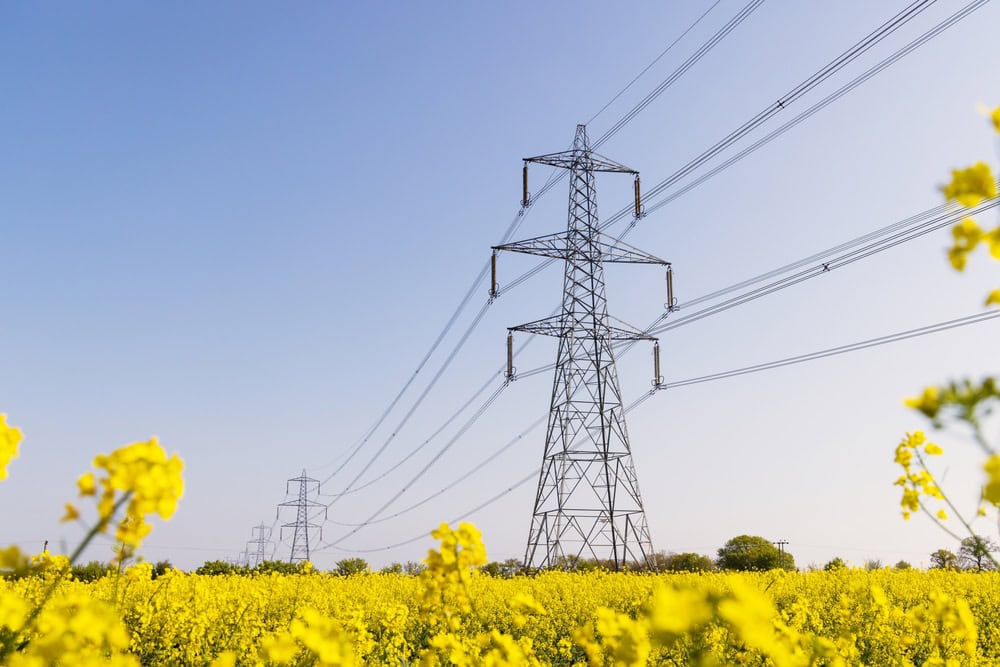
A major technical issue that is contributing to spiralling curtailments costs is the UK’s current electricity transmission infrastructure. National Grid plc needs to move the renewable electricity from where it is generated, largely in the North, to homes, offices and factories across the country. This will require significant investment in cables and associated transmission infrastructure over a number of years to resolve. However, at the same time companies, like Connected Response, are developing technologies that would allow existing infrastructure to be used more intelligently. For such technologies to have a significant DSM impact, however, they need to be applied at scale. This is where the concept of a Social Licence to Automate has a role to play.
User engagement with demand-side measures
As research papers have noted (see references at the end of this article), the ‘awarding’ of an SLA relating to DSM measures which manage and control household energy resources is far from straightforward. There is the obvious potential friction been the energy sector’s desire for flexibility on the one hand and ingrained social practices and habits on the other. User engagement with DSM measures is also heavily influence by their perception of control and agency, and whether they trust in the programme providers. Users would certainly be helped by having a better understanding of their personal stake in the energy system, and the benefits of participating in that system as a collective rather than as an individual. We all need to feel that our interests are being taken into account as new energy systems are being developed, to feel that they are being designed to serve our needs and not simply those of the suppliers and generators.
SLA and the issue of trust
As referenced earlier, at the heart of any SLA would be the issue of trust. It is reasonable to say that the public’s trust in, and deference to, Government, public bodies and large corporates has waned in recent years; witness the attitude to recent failings in the regulation of water companies. At the same time, there is a parallel development where communities and the public in general have an increased expectation of being involved in decision-making in areas that impact on them. Maybe one way to bridge the ‘trust gap’ could be to strengthen Ofgem’s role as a ‘social’ energy regulator alongside its activities as an ‘economic’ regulator. Social regulation could include representing the public voice in discussions with the energy companies and others, and informing codes of practice to ensure ethical and social considerations are at the heart of best practice.
For an SLA to work effectively, energy companies and technology innovators would have to understand that an SLA is not maintained simply by the public passively receiving information about technologies, products or services by email or through the post. Connected Response’s experiences working alongside Wheatley Group could be instructive, and constructive, in this regard.
Optimising electric storage heating

Wheatley is the largest social housing landlord in Scotland. Across Glasgow, they own around 10,000 high-rise and low-rise multiple dwelling units (MDU) which rely on electric storage heating and hot water. Connected Response was contracted by Wheatley to supply its HeatSage technology for installation in each of these dwellings.
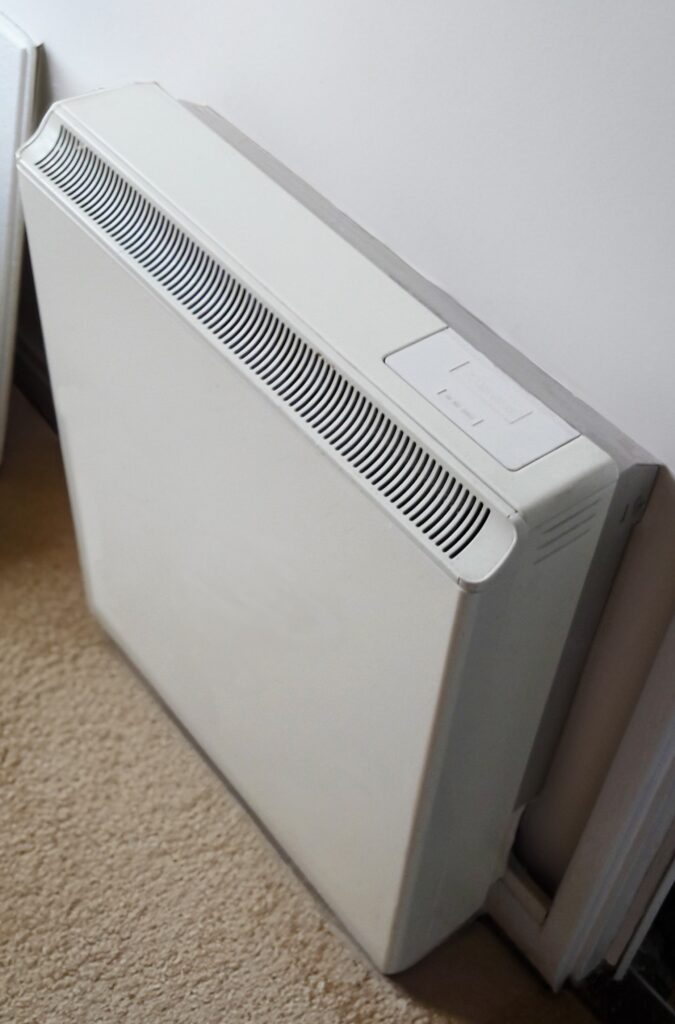
A detailed technical explanation of HeatSage technology is outside the remit of this article, suffice to say that it enables electric storage heaters and hot water to be optimally charged to provide the heating experience desired by the tenant taking into account the off-peak charging possibilities provided by the tenant’s electricity tariff, typically a variant of Economy 10.
Engagement and education are cornerstones of any SLA for automated energy technologies
To ensure the successful roll-out of the HeatSage programme, Connected Response engaged in extensive engagement with tenants; engagement and education are two of the key cornerstones of any potential SLA for automated energy technologies. This was an exhaustive exercise with community meetings, and ‘door knocking’ to ensure tenants understood why HeatSage technology was being installed and the benefits that would arise. This open engagement and dialogue has been fundamental to the success of the programme in a way that leaflets, emails and social media on its own could never have achieved.
The HeatSage engagement process raised many interesting and often opposing questions. There is the desire to inform and educate; but at what level and to what depth? How can you ascertain ‘proof of learning and understanding’ without appearing intrusive and potentially condescending? Some people are just not engaged or interested. What to do about them?
Generating societal benefits at minimal cost
On the one hand, the HeatSage programme in Glasgow is just a microcosm of what would be required to create an SLA for DSM technologies at a national level. On the other, however, it illustrates clearly the potential of what could be achieved and the societal benefits that could be generated at minimal cost. Across the UK, it is estimated that about 1.5 million homes rely on electric storage heaters for heating and hot water.

Many of these homes are in high-rise or low-rise MDUs, where the occupants have a higher-than-average probability of being fuel poor i.e. not being able to afford to heat their homes effectively. Rather than paying wind farms to curtail power generation, why not use that electricity to heat electric storage heaters at low, or no, cost to residents? The social benefits are self-evident, and there are clear financial and load balancing benefits for National Grid.
Everything we do changes the future
Connected Response can provide the technology. It simply requires joined-up thinking, political will and an SLA to make it happen. As one famous quote states: ‘Nothing we can do can change the past, but everything we do changes the future.’
*Going even further back, both the SLO and SLA share commonalities with the concept of the ‘social contract, as developed by Thomas Hobbes, John Locke and Jean-Jacques Rousseau in the 17th and 18th centuries.
Author
Kenny Cameron is Connected Response’s Managing Director.
Kenny is passionate about improving the heating experience, and reducing the energy bills, of people reliant on electric storage heating and hot water systems.
Kenny can be contacted at kennycameron@connectedresponse.co.uk.

References
The following article, although it’s focus is the financial sector, provides an excellent overview of SLOs and the challenges faced in achieving and maintaining them:
- Establishing a social licence for Financial Technology (Mar 20)
Other articles and documents contributing to this article include:
- Emerging Approaches to Demand Side Management (Oct 21)
- chrome-extension://efaidnbmnnnibpcajpcglclefindmkaj/https://userstcp.org/wp-content/uploads/2019/10/Social-License-to-Automate-October-2021.pdf
- Executive Summary – Emerging Approaches (Oct 21)
- chrome-extension://efaidnbmnnnibpcajpcglclefindmkaj/https://userstcp.org/wp-content/uploads/2019/10/UsersTCP-Social-License-Executive-Summary.pdf
- Factsheet: Drivers and barriers to of public engagement in energy infrastructure (Nov 23)
- chrome-extension://efaidnbmnnnibpcajpcglclefindmkaj/https://userstcp.org/wp-content/uploads/2023/11/Engage4Energy-Factsheet_compressed.pdf
- Slide Pack – D2 Drivers and barriers of public engagement in energy infrastructure
- chrome-extension://efaidnbmnnnibpcajpcglclefindmkaj/https://userstcp.org/wp-content/uploads/2023/11/Slide-pack_Drivers-and-barriers-of-public-engagement_compressed-1.pdf
- Report – Drivers and barriers of public engagement in energy infrastructure
- chrome-extension://efaidnbmnnnibpcajpcglclefindmkaj/https://userstcp.org/wp-content/uploads/2023/11/Report_Drivers-and-barriers-of-public-engagement-in-energy-infrastructure_UsersTCP-Public-engagement-Task_compressed.pdf
- Factsheet – Creating energy technologies that are meaningful and usable to all (May 23)
- chrome-extension://efaidnbmnnnibpcajpcglclefindmkaj/https://www.oegut.at/downloads/pdf/Factsheet_Creating_Energy_Technologies_en.pdf
- How to build trust in demand side automation (Mar 23)
- chrome-extension://efaidnbmnnnibpcajpcglclefindmkaj/https://userstcp.org/wp-content/uploads/2023/03/USERS-TCP-A4-SLA-POLICY-BRIEF-1-DOI-updated-.pdf
- Social license to automate: a critical review of emerging approaches to electricity demand management (Oct 21)
- Tariff menus to avoid rebound peaks (June 2022)
- Building social license for automated demand-side management (August 22)
- Towards a social incense to automate in demand side management (Feb 20)
- chrome-extension://efaidnbmnnnibpcajpcglclefindmkaj/https://www.tugraz.at/fileadmin/user_upload/tugrazExternal/4778f047-2e50-4e9e-b72d-e5af373f95a4/files/lf/Session_F4/642_LF_Froehlich.pdf
- Hard-to-reach energy users: an ex-post cross-country assessment of behavioural-oriented interventions (2023)
- AI and Energy Justice (Dec 22)
- IEA – CampaignXChange Deliverable 2: Emerging Best Practices (2023)
- chrome-extension://efaidnbmnnnibpcajpcglclefindmkaj/https://userstcp.org/wp-content/uploads/2023/12/Best-Practices-CampaignXchange-deliverable-2-1.pdf
- Deriving User Interaction Determinants for a Social License to Auotmate in Demand Side Management (Apr 20)
- Encouraging Trust in Demand-Side Management via Interaction Design: An Automation Level Based Trust Framework (Nov 22)
- https://www.mdpi.com/1996-1073/16/5/2393