
Introduction
ALIenergy is a fuel poverty and sustainable energy charity based in Oban. The ALI in its name stands for the region the charity covers: Argyll, Lomond, and Islands. It has been in operation for more than twenty years helping residents combat the scourge of fuel poverty (www.alienergy.org.uk).

ALIenergy is working with heating technology innovator, Connected Response, on a project in Oban that aims to both reduce heating bills and improve the heating experience of residents. To achieve this, Connected Response’s HeatSage technology is being installed in 90 properties. The project, co-funded by the Scottish Government’s Community and Renewable Energy Scheme (CARES) and Centrica’s Energy for Tomorrow grant fund and Connected Response, will monitor both the impact on heating bills and the comfort levels of those taking part. The first HeatSage devices will be installed in summer 2021
Oban’s maritime climate
Oban is a small town on the west coast of Scotland. Due to its location, Oban has a maritime climate with mild winters and cool summers. This dictates that most homes require some level of heating every day of the year. Average heating bills are, therefore, higher than for most other British regions.
Oban is not on the UK’s gas network
Oban is mostly off-grid as far as gas is concerned. Research for the 2017/18 ‘Local Energy Plan’ found that 57% of homes had electric storage heating (ESH) as their primary heat source. The currently available domestic tariffs on the market give consumers little control over when their storage heating is charged, with the vast majority limited to night-time charging only. Consequently, many households rely on costly supplementary heating such as convector or fan heaters in the late afternoon and evening to remain warm, or wear more layers of clothing, or simply go to bed early. An elderly demographic, low wages, the constant need for heating due to the climate, the predominance of electric storage heating, and the inflexibility of the tariffs mean that many Oban households are fuel poor.
How does HeatSage technology work?
Kenny Cameron is Connected Response’s Managing Director:

‘HeatSage technology intelligently manages electric storage heaters. It consists of four elements. A smart ‘load control switch’ is situated next to the household’s smart meter. The switch, which controls the electric ‘load’ being consumed by the electric storage heater is housed in a white case about the size of your hand. A small temperature and humidity sensor is located in the household’s living room. The sensor measures the ambient temperature in the room. These two devices communicate with a ‘gateway’ that links to Connected Response’s cloud-based server which manages the system.’
HeatSage decides when to charge a household’s storage heaters based on the residents’ desired comfort levels at different times of the day, the ambient temperature in the living room, and the next day’s weather forecast. The net result will be a much better heating experience for households and, in the vast majority of cases, lower bills.
Oban has a variety of tenures
Lynda Mitchell is Chief Executive of ALIenergy:
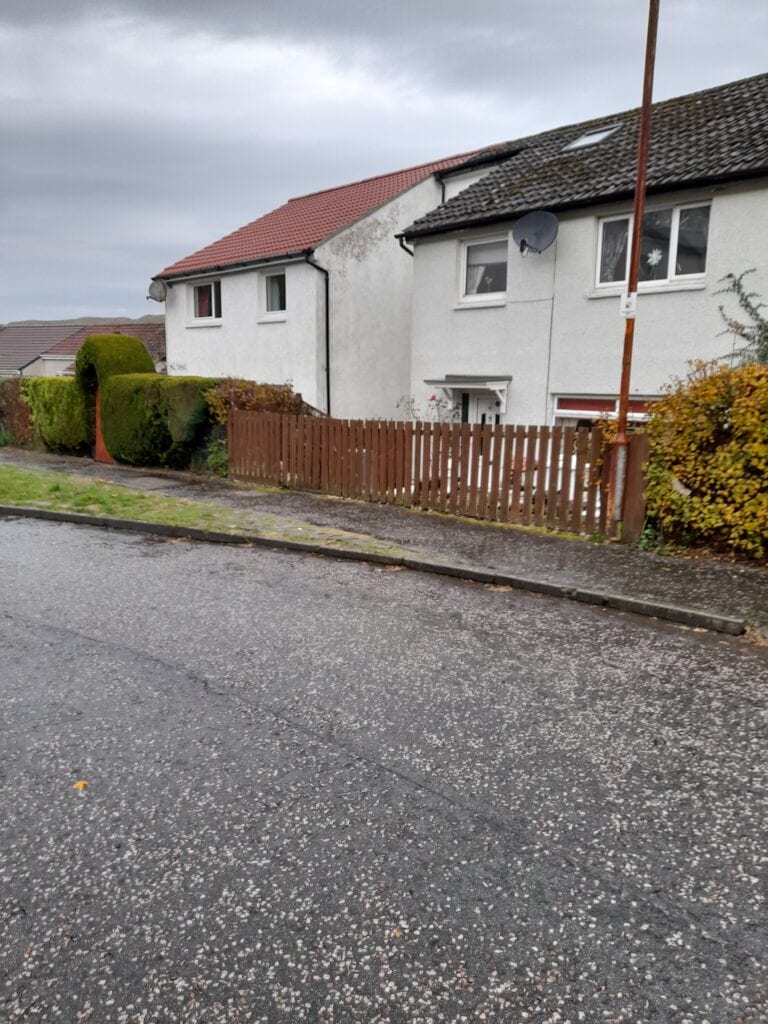
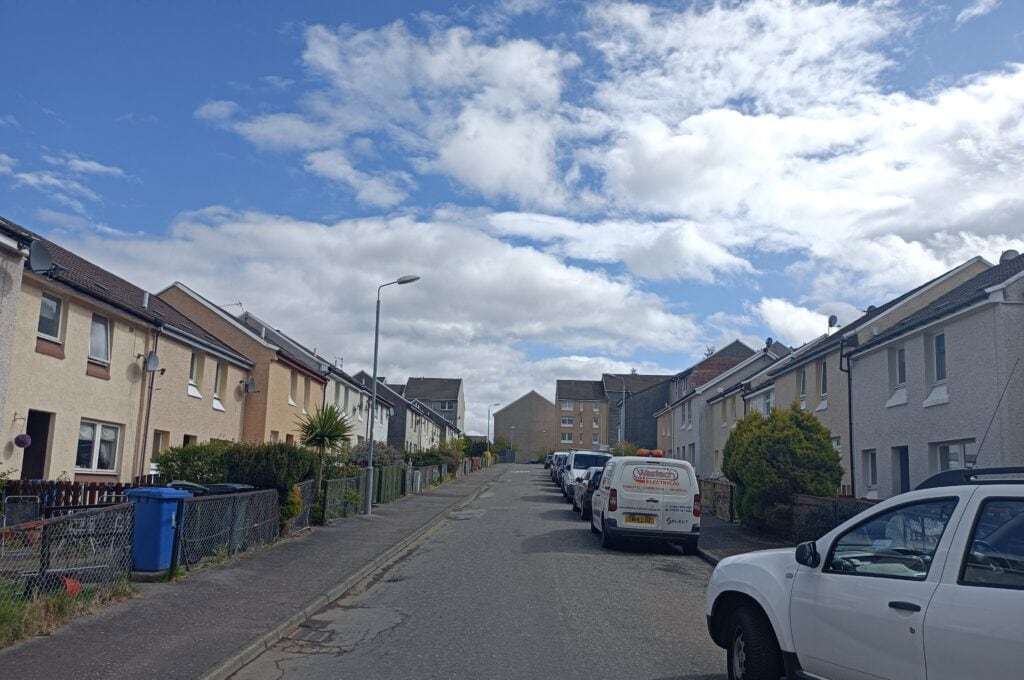
‘Oban has a variety of tenures including owner occupiers, private rental, and social housing, and we have a cross-section of properties in the study. For example, we have linked up with a local social housing provider to engage with residents in the Soroba area of Oban.’

The success of the project is built on resident liaison
According to Lynda Mitchell, although it only takes around two hours to both switch out a resident’s smart meter to that of the new energy supplier and to install the HeatSage technology in each property, there are lots of other factors that are covered in resident liaison:
‘From the ALIenergy perspective it is vitally important that we monitor the outcomes from the project so we can evaluate its success. One of the ways we are doing this is analysing energy bills before and after installation of the HeatSage technology. This means we have to access residents’ energy consumption data before and during the project and we ask each resident to give their approval for this to happen.
Utilita, an electricity supplier with a strong fuel poverty ethos, is providing the tariff that provides the flexibility to charge the electric storage heaters and hot water during three separate windows: overnight, afternoon and evening.’
‘A fuel poverty project with an innovative twist’
According to Lynda Mitchell, the project is a ‘fuel poverty project with an innovative twist’ as it could, in future, tie in with some of the many other projects ALIenergy is leading, including community energy and renewable energy initiatives.